
Oracle Sun Server X9-2L RAM Upgrade

OEM Memory
Samsung, Micron & SK Hynix

Vendor Compatible
Dell · HPE · Lenovo

Volume Quotes
Fast B2B response

Direct Support
Technical assistance
Form Factor
Memory Size
Memory Speed
Organization
Memory Voltage
Brand
Oracle Sun Server X9-2L Memory Configuration
Memory configuration details for Oracle Sun Server X9-2L. including supported slots, capacities and speeds.
| RAM Slots | Supported Memory Types | Maximum Memory Size | Maximum Memory Speed | Supported Memory Speed | Supported DIMMs |
|---|---|---|---|---|---|
| 32 DIMMs | RDIMM | RDIMM: 2 TB (32 x 64 GB) | DDR4-3200 | DDR4-3200 | RDIMM: 32 GB, 64 GB |
Need more details? Explore the Oracle Sun Server X9-2L Technical Guide for in-depth specifications and insights.
Find Your Oracle Sun Server X9-2L RAM Upgrade
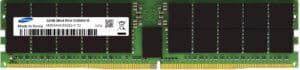
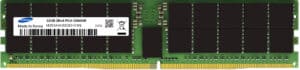
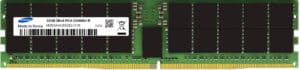
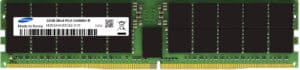
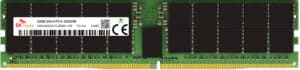
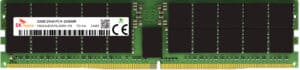
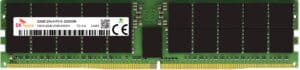
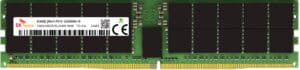
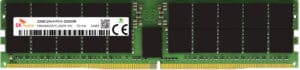
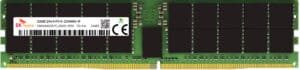
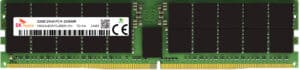
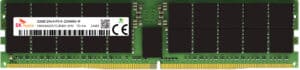
| Picture | Part Number | Brand | Size | Speed | Form Factor | Ships In | Price | |
|---|---|---|---|---|---|---|---|---|
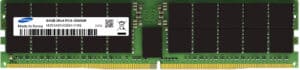
| Samsung | 64GB | DDR4-3200 | RDIMM | |||||
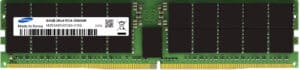
| Samsung | 64GB | DDR4-3200 | RDIMM | |||||
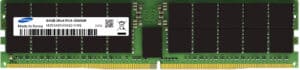
| Samsung | 64GB | DDR4-3200 | RDIMM | |||||
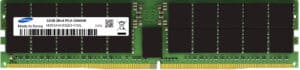
| Samsung | 32GB | DDR4-3200 | RDIMM | |||||
| Samsung | 64GB | DDR4-2933 | RDIMM | |||||
| Samsung | 64GB | DDR4-2933 | RDIMM | |||||
| Samsung | 32GB | DDR4-3200 | RDIMM | |||||
| Samsung | 64GB | DDR4-2666 | RDIMM | |||||
| Samsung | 32GB | DDR4-2666 | RDIMM | |||||
| Samsung | 32GB | DDR4-3200 | RDIMM | |||||
| Samsung | 32GB | DDR4-2933 | RDIMM | |||||
| Samsung | 32GB | DDR4-2933 | RDIMM | |||||
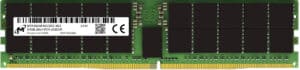
| Micron | 64GB | DDR4-3200 | RDIMM | |||||
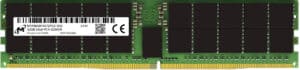
| Micron | 32GB | DDR4-3200 | RDIMM | |||||
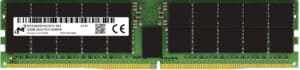
| Micron | 32GB | DDR4-3200 | RDIMM | |||||
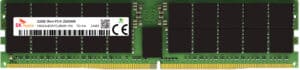
| SK Hynix | 32GB | DDR4-3200 | RDIMM | |||||
| SK Hynix | 32GB | DDR4-3200 | RDIMM | |||||
| SK Hynix | 32GB | DDR4-3200 | RDIMM | |||||
| SK Hynix | 32GB | DDR4-3200 | RDIMM | |||||
| SK Hynix | 64GB | DDR4-2933 | RDIMM | |||||
| SK Hynix | 32GB | DDR4-3200 | RDIMM | |||||
| SK Hynix | 32GB | DDR4-2933 | RDIMM | |||||
| SK Hynix | 32GB | DDR4-3200 | RDIMM | |||||
| SK Hynix | 32GB | DDR4-2933 | RDIMM | |||||
| SK Hynix | 64GB | DDR4-3200 | RDIMM | |||||
| SK Hynix | 64GB | DDR4-3200 | RDIMM | |||||
| SK Hynix | 64GB | DDR4-3200 | RDIMM |
CoreWave DRAM & SSD Market Intelligence
Weekly pricing levels, stock quantities & EU/global availability on DDR4/DDR5 and Enterprise SSDs.
Manufactured by Industry Leaders
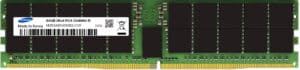
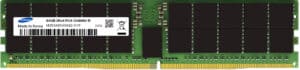
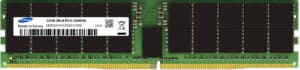
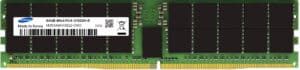
We offer memory modules manufactured by Samsung, SK Hynix, or Micron— the very same industry‐leading suppliers Dell, HPE, Lenovo relies on. This ensures each module meets high standards for performance, compatibility, and reliability, giving you genuine, equivalent quality at a competitive price.



Oracle Sun Server X9-2L Server Memory FAQs
What Types of RAM Are Supported in the Oracle Sun Server X9-2L?
- The Oracle Sun Server X9-2L supports RDIMM (Registered DIMMs).
Which Memory Speeds Are Compatible With the Oracle Sun Server X9-2L?
- The server supports DDR4-3200.
- Keep in mind that if different speeds are mixed, all modules operate at the slowest DIMM speed.
What Is the Maximum Supported RAM Capacity for the Oracle Sun Server X9-2L?
- Up to 2 TB (32 x 64 GB) with RDIMMs.
How do I achieve the best performance for my Oracle Sun Server X9-2L?
- Populate DIMMs evenly across all channels and use the highest supported speed compatible with your CPU.
What is RDIMM?
- RDIMM (Registered DIMM): Registered DIMMs are memory modules with an additional register between the memory controller and the DRAM. This register reduces the electrical load on the memory controller, allowing for better stability and scalability in servers. RDIMMs are commonly used in environments that require high reliability and performance.
General DIMM Population Guidelines for Oracle Sun Server X9-2L
- Do Not Mix RDIMMs
- If mixing memory speeds, all DIMMs will operate at the lowest speed.
- Install DIMMs starting furthest from the processor.
- Populate DIMMs evenly across all channels.
- Ensure all CPUs have memory installed for their DIMM slots to function.
Oracle Sun Server X9-2L Memory Installation Steps
- Power Off the server and disconnect it from power.
- Wear ESD Gear: Use an ESD wrist strap and work in an ESD-safe environment.
- Open the server and locate the DIMM slots.
- Inspect the slots for dust or debris and ensure proper alignment of the DIMMs.
- Follow the DIMM population order in the server manual.
- Firmly insert DIMMs until they click. Avoid using excessive force.
- Close the server and reconnect power.
- Verify the memory configuration in the BIOS.